

In many companies, potential is assumed to mean readiness. In practice, the two do not always go hand in hand, because the development of future successors often fails to keep pace with what the business will soon expect of them. Only when the data is clear, HR and the business are aligned, and the whole process is properly structured does succession begin to serve its real purpose.
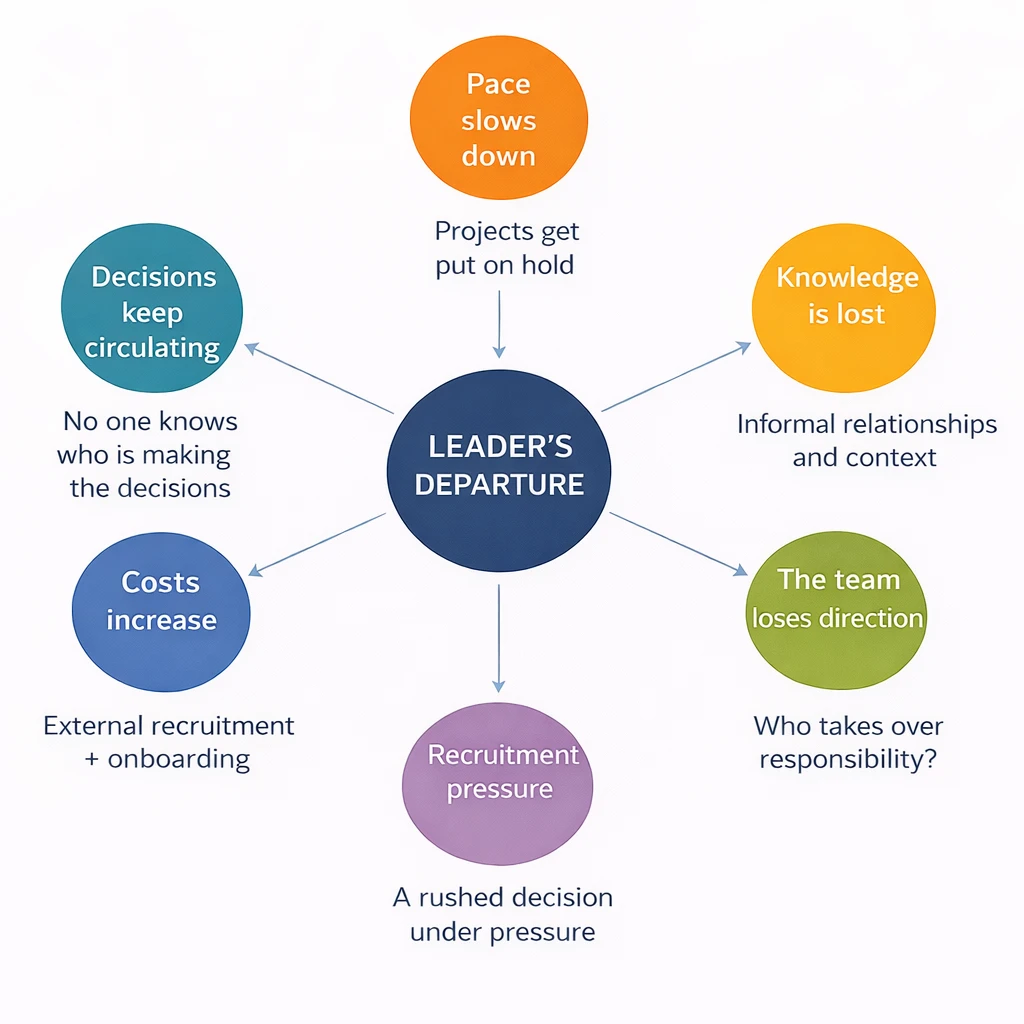
When a key person leaves the organisation, a familiar pattern tends to follow: corridor conversations, questions about who is taking over, and a few weeks of confusion before things begin to settle back into a normal rhythm.
The plan exists, readiness is much rarer
In most companies, succession exists in some formal way. People are identified, potential is assessed, and sometimes there are even ready-made matrices and neatly organised role lists. At first glance, it can all look quite promising.
The problem begins when that documentation collides with the reality of change.
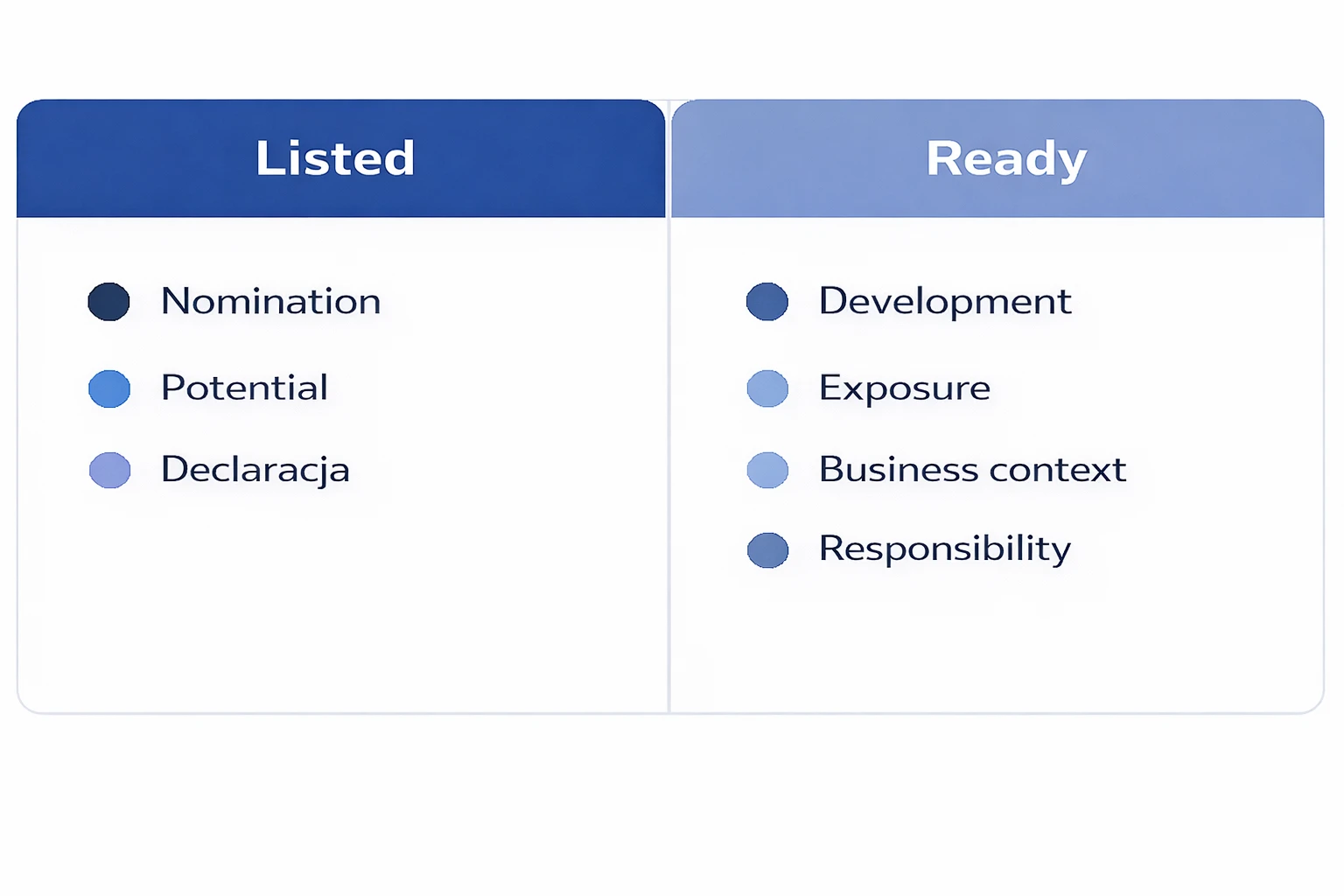
A plan can be put together in a week, but readiness takes years to build - through exposure to tougher decisions, a broader understanding of the business, and consciously closing gaps before they show up in a moment of pressure. Simply putting someone on a list does not make them a successor.
There is one question that separates a plan from real readiness: could this person step in and take responsibility tomorrow, or did they simply look strong in a potential review a year ago?
When one person leaves, more than one role is affected
When a leader leaves, the organisation loses things that are not captured in any system: a network of relationships, the context behind less obvious decisions, and the trust of the team built over years. Decisions start circulating, issues take longer to move forward, and the organisation slows down. For a while, no one is entirely sure who is responsible for what.
That is why succession is really a matter of operational continuity.
In practice, the most difficult situations tend to happen where a successor formally exists, but their readiness was more wishful thinking than reality, and the organisation only discovers that when the change actually happens.
That is why it makes sense to start with the roles whose loss would hit the organisation hardest. Not every vacancy has the same impact. But there are roles where losing the person immediately affects decision-making, pace, and business stability.
This leads to another issue that comes up again and again in many organisations: the lack of one clear, consistent view of the situation. We wrote more about that in a separate article: Zero data risk: How does “one source of truth” protect against management paralysis?
Being listed does not mean being ready
This is one of the most expensive mistakes organisations make.
Someone is identified as a potential successor, and from that point on, the topic quietly disappears. There is no structured development plan, no exposure to broader business context, and no real check as to whether that person even wants to take on greater responsibility.
Then the moment of change arrives, and it turns out the nomination has been sitting there for two years, but no real preparation ever happened.
Declaring someone “ready” too quickly can end up costing more than making no decision at all. After a poor nomination, the business still has to work through a period of instability, the team is left uncertain, and external recruitment often follows under pressure. In most cases, that means settling for a compromise no one would have accepted under calmer circumstances.
Organisations that handle this well do not look for one successor for one role. They build a broader group of people and develop them deliberately for future responsibility. So when change happens, they have a choice, not a forced move.
What really keeps CHROs up at night?
It is not a lack of awareness - most organisations already know this matters. The real difficulty is making good decisions when the data is scattered and the picture is incomplete.
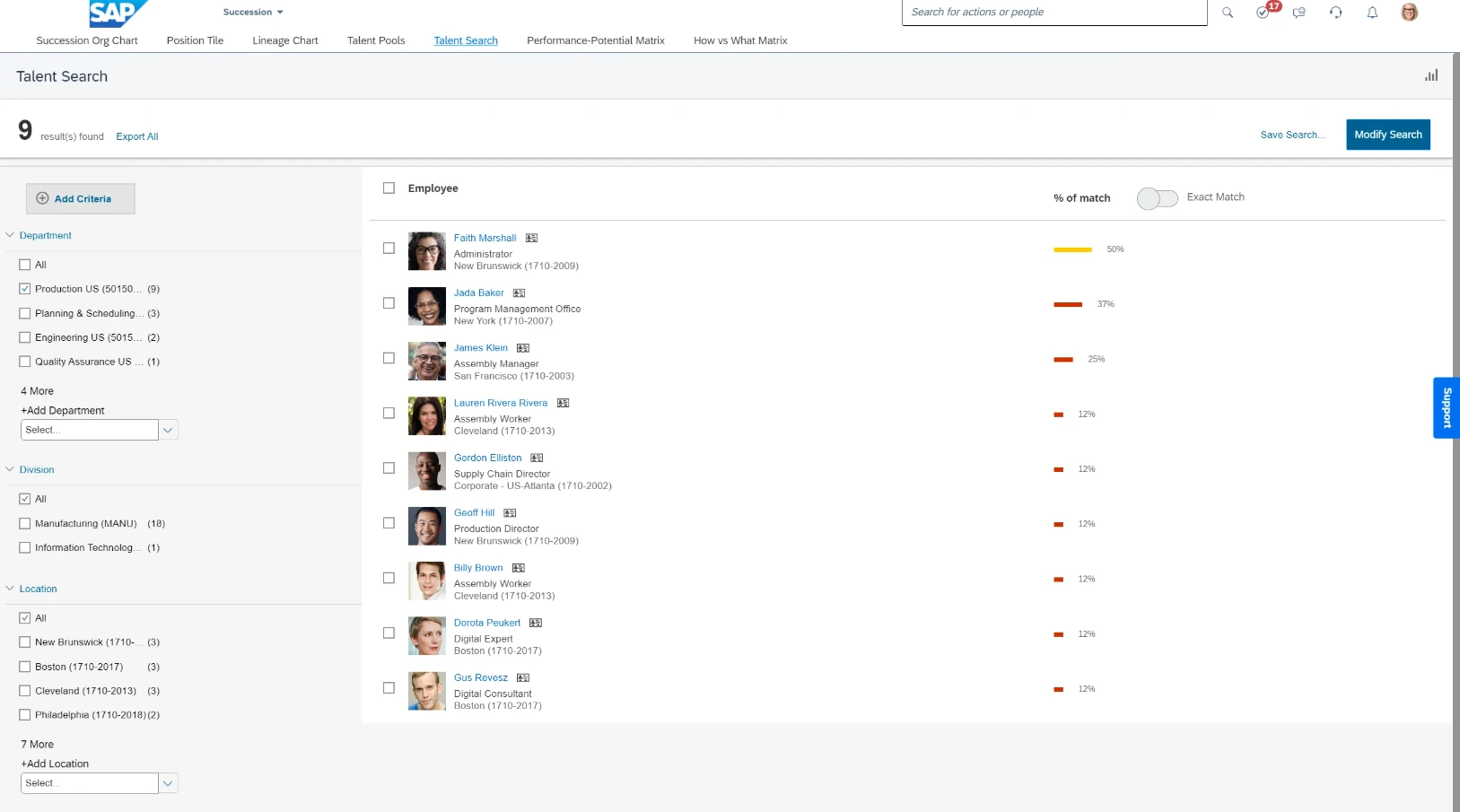
In many companies, some of the information sits in the system, some in spreadsheets, and some only in managers’ heads. The result is that even seemingly simple questions become hard to answer:
- Which roles are truly critical?
- Who is genuinely ready now, and who might be ready in two years?
- Where is the risk greatest?
There is another common mistake, too: confusing strong performance with potential for a bigger role. Someone can be excellent in their current position and still not be ready to step into greater responsibility. The two are not the same, and any assessment approach that fails to distinguish between them creates a false sense of security.
A successor list does not protect the organisation
This is where it becomes clear whether the process has real operational value or only appears to.
If an organisation identifies successors but does not turn that into concrete development actions, the whole thing stays at the level of intent. You can say the topic exists, but from a business perspective, nothing really comes from it.
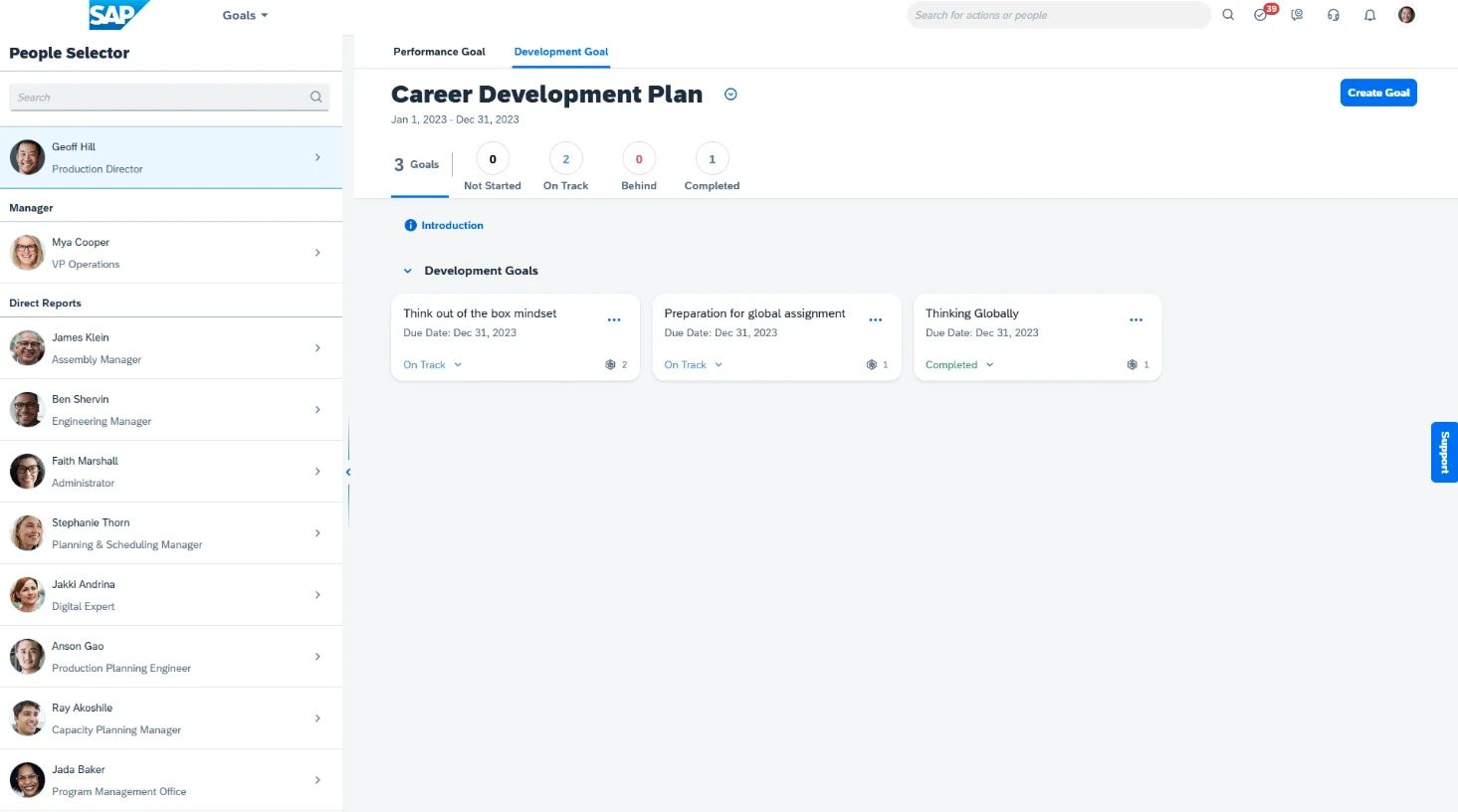
Readiness is built through planned development, exposure to more difficult decisions, broader business context, and consciously closing capability gaps. Simply naming someone as a successor does not replace any of that.
That is why connecting Succession with Development is not just good process design - it is essential. If I know someone is expected to step into a specific role, I also need to know what they are still missing and have a way to close those gaps over time. Without that, succession is little more than a list of intentions.
More on how LMS-based reskilling can outperform recruitment, and how to measure it in the article: When does LMS-based reskilling outperform hiring, and how do you know?
What the system changes, and what it does not
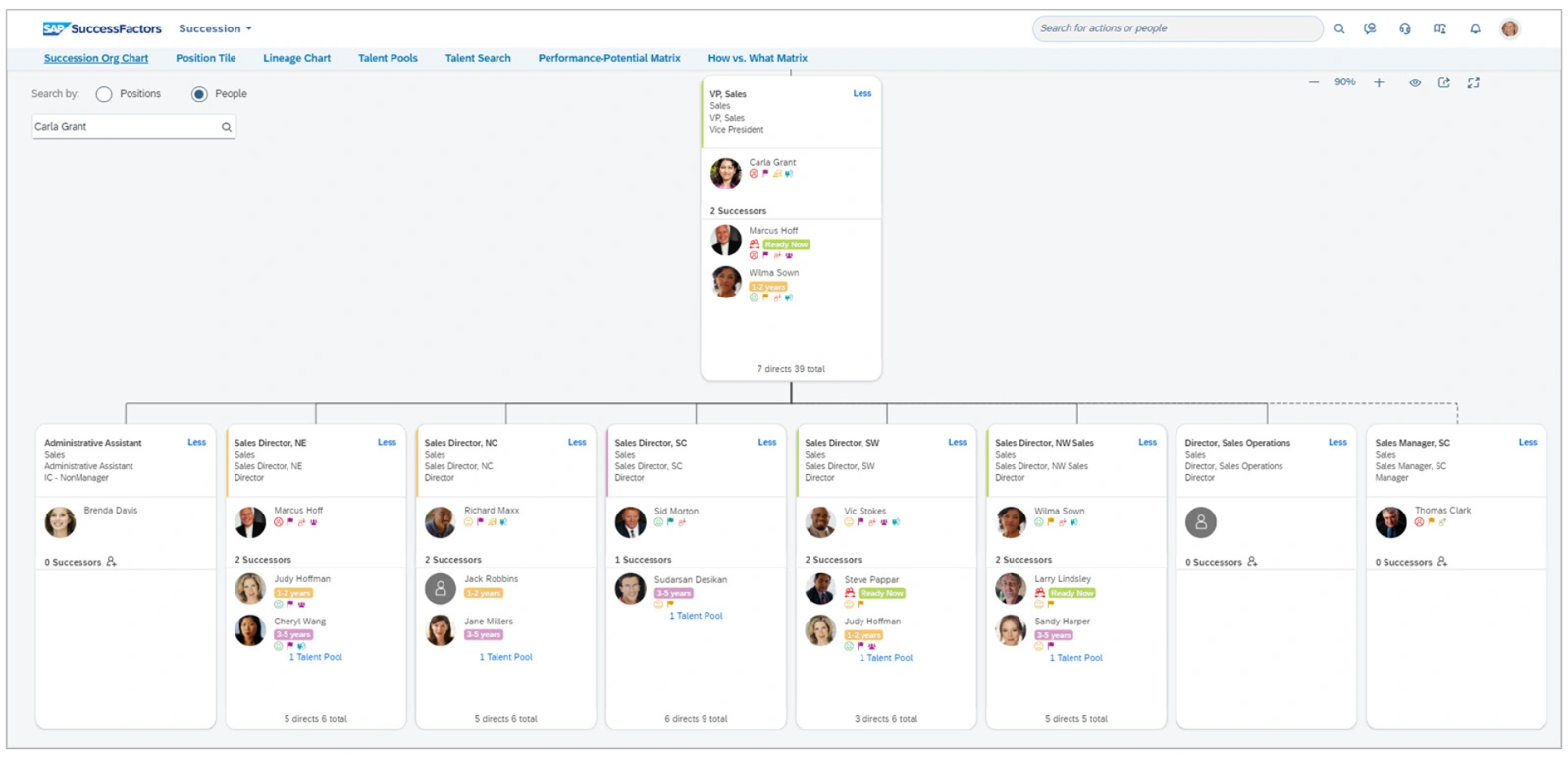
Expectations may differ, but one thing is certain.
A system will not replace conversations with the business. It will not fix weak assessment criteria. And it will not suddenly make managers better at recognising potential if they were not doing that well in the first place.
That said, a well-implemented SAP SuccessFactors Succession & Development solution offers a clear advantage. It brings together critical roles, successors, readiness levels, and employee data in one place, and connects all of that with development.
Instead of saying, “we have a few strong people there,” organisations can have a much more concrete discussion:
- who is ready now,
- who might be ready in a year,
- where the gaps are,
- what needs to happen today to increase readiness in a real way.
That changes the conversation, and it changes the decisions that follow.
For CHROs, there is another important benefit. The system does not just organise the data, it also helps organise the conversation around succession itself. It makes it easier to move from instinctive judgments to a more deliberate view of critical roles, real readiness, and the gaps that still need to be addressed. The larger the organisation, the more that matters.
The mistakes that cost the most
The same ones tend to come up again and again:
Treating succession as an HR process rather than a shared responsibility between HR and the business. If leadership is not involved, the topic will always lose out to more immediate priorities.
Confusing performance with potential. They are two different dimensions, and assessing them through the same lens creates a false sense of security.
Building a model so complex that no one wants to use it. In other words, beautifully designed matrices that exist only in presentations.
Failing to connect succession with development. Without that link, succession remains little more than wishful thinking.
Leaving the topic until pressure forces the issue. By then, there is no longer time for a calm, considered assessment.
More on the costs of getting a new person up to speed in the role: Onboarding 0–180: How to regain control over post-hire costs and delays?
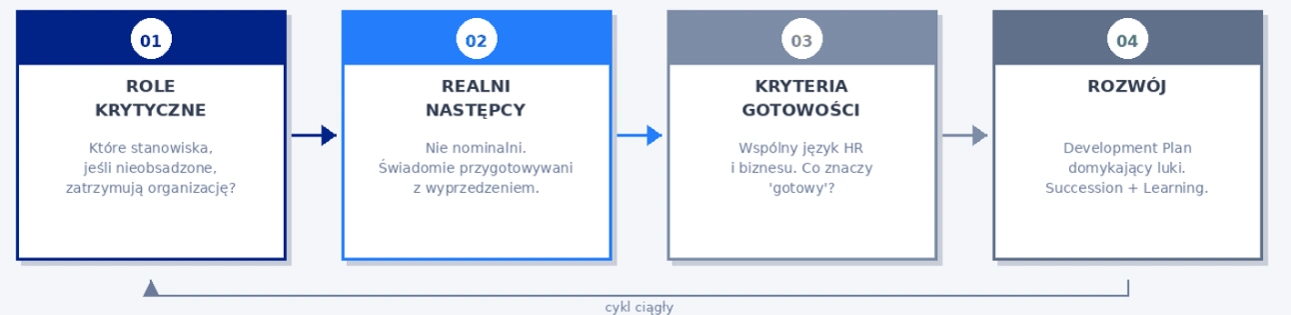
We usually start with four questions:
1. Which roles are truly critical?
These are the roles whose loss immediately affects decision-making and the pace at which the organisation operates.
2. Are there real successors for those roles?
Not nominal ones, but people who are being deliberately prepared.
3. Are the criteria for readiness shared by HR and the business?
In other words, do both sides understand them in the same way?
4. Is succession connected to development?
Without that link, it is easy for the two to drift into separate worlds.
Only on that basis does it make sense to implement a tool and build a more mature process. Without it, any system becomes little more than a better-looking version of the same list of names.
Succession as a test of organisational maturity
One departure can expose years of neglect.
A company suddenly realises it has spent years relying on specific people, their networks, their informal influence, and decisions that were never written down anywhere. The vacancy is only the visible symptom, the real problem runs deeper.
Organisations with a well-structured succession approach know who is ready and how long they have been preparing them. For them, a leadership change is a planned move, not a frantic search. Everyone else finds out when it is already too late for a calm and thoughtful choice.
See where you really stand.
If you want to approach the topic in a more structured way, complete the HCM AI Readiness Scorecard. It will help you assess HR maturity across key areas and give you a 6-12 month roadmap, along with a PDF summary for the Board.

Ludwik Bogdański is a certified expert with more than 15 years of experience in running and implementing SAP systems integration projects, covering both client implementations and cloud projects, including SAP SuccessFactors and SAP Business Technology Platform (BTP). He specializes in the migration and transformation of SAP systems, providing the highest quality and knowledge necessary for the most complex and demanding projects. During his career, he conducted numerous trainings at SAP Training Centers in Poland and Europe, sharing practical knowledge and best practices. He currently works with the Ensis Technology team, supporting companies in the digital transformation of the HR area. Its key specializations are: • Implementation of SAP S/4HANA and SAP SuccessFactors • Project management according to SAP Activate and PRINCE2 methodologies • Integrations of SAP systems
Latest Articles
A good benefits process begins when employees don't have to ask HR what they are entitled to. They can see their own offer, know the deadlines, and understand what happens after they make a selection.
Recurring payroll adjustments are a sign that an organization is catching exceptions in data, decisions, or information flow too late. This article explores how to increase process predictability and reduce manual reconciliations before month-end closing.
Why is the question "who is available tomorrow?" largely a test of an organization's HR data quality, absence visibility, and decision-making agility? This article shows how SAP SuccessFactors helps organize employee data, absences, working time, and analytics so managers can react more quickly to changes in work schedules.